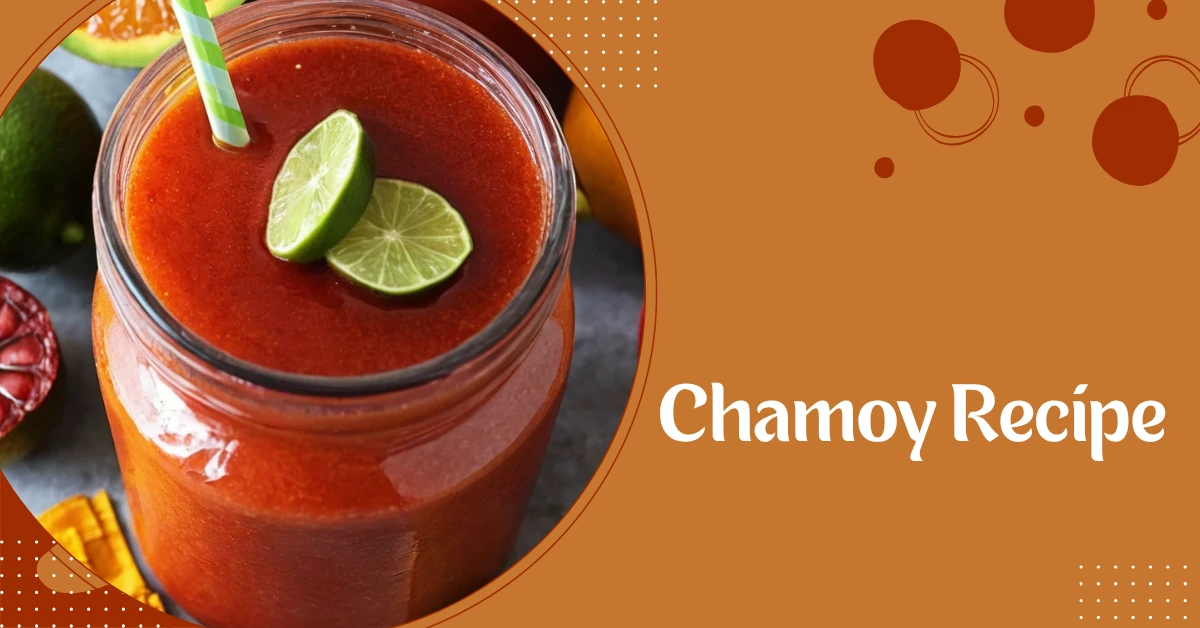
Chamoy's Flavor Explosion: Elevate Every Meal with This Versatile Sauce
Imagine a single condiment that can tantalize your taste buds with a captivating blend of sweet, sour, salty, and spicy notes, transforming ordinary snacks into extraordinary experiences. That's the magic of Chamoy, a beloved Mexican sauce that has captivated palates worldwide. More than just a topping, Chamoy is a flavor journey, a vibrant condiment that promises to inject a burst of excitement into everything it touches. While readily available in stores, learning
how to make chamoy at home unlocks a level of freshness and customization that store-bought versions simply can't match. In less than 30 minutes, you can whip up your own batch of this intensely versatile sauce, ready to drizzle, dip, and delight. Get ready to discover the secrets behind this addictive flavor and elevate your culinary creations to new heights.
Unpacking Chamoy's Irresistible Flavor Profile
What makes Chamoy so undeniably addictive? It's the masterful symphony of its core flavors. Each drop delivers a complex interplay that hits every corner of your palate:
* **Sweetness:** Often derived from dried fruits like apricots, prunes, and mangoes, this sweetness isn't cloying but rather a natural, mellow base that rounds out the more assertive flavors. A touch of added sugar perfects this balance.
* **Tanginess/Sourness:** This zesty kick comes primarily from fresh lime juice and dried hibiscus flowers (Jamaica). The tartness brightens the entire sauce, preventing it from becoming overly sweet or heavy.
* **Spiciness:** The signature warmth of Chamoy comes from chilies, whether in their dried form, as chili powder, or through a seasoning blend like Tajín. The heat level is highly customizable, allowing you to create a mild tingle or a fiery explosion.
* **Saltiness:** A crucial, often overlooked element, salt acts as a flavor enhancer, bringing all the other components into sharp focus and adding a savory depth that makes the sauce truly craveable.
This harmonious blend is what gives Chamoy its unparalleled versatility. It’s why it pairs perfectly with everything from fresh fruit to savory snacks, and why it's the star ingredient in iconic Mexican treats like Mangonadas. Once you experience this multifaceted flavor, you’ll understand why it’s a condiment you'll want to have on hand for every meal and snack.
The Core Ingredients: Crafting Your Signature Chamoy
The journey to learning
how to make chamoy begins with understanding its foundational ingredients. Each component plays a vital role in building that signature flavor profile and desirable texture:
* **Dried Fruits (Apricots, Prunes, Mangoes):** These are the backbone of Chamoy, providing natural sweetness, a rich, concentrated fruit flavor, and essential body. Dried apricots contribute a lovely bright sweetness and pectin for thickening, while prunes offer a deeper, more robust sweetness. You can experiment with just one or a combination to find your preferred base.
* **Dried Hibiscus Flowers (Jamaica):** Don't skip these! Hibiscus flowers are key to Chamoy's unique tartness, lending a cranberry-like tang that is both refreshing and complex without overpowering the fruit.
* **Sugar:** While dried fruits provide natural sweetness, a small amount of added sugar helps to perfectly balance the tartness of the hibiscus and lime, creating a well-rounded flavor profile. Adjust to your personal preference.
* **Fresh Lime Juice:** The vibrant, refreshing kick of fresh lime juice is indispensable. It brightens the entire sauce, cutting through the richness of the fruit and heat of the chilies.
* **Salt:** A pinch of salt is crucial for enhancing all the other flavors. It brings forward the sweetness, balances the tartness, and deepens the spicy notes.
* **Water:** This acts as the solvent, allowing the dried ingredients to rehydrate and soften during simmering, and helps achieve the desired drizzling consistency.
* **Chilies (Dried Chilies, Chili Powder, or Tajín):** This is where the characteristic spicy kick comes from. You have options:
* **Dried Chilies:** Varieties like árbol or guajillo can be simmered with the fruit for a more integrated, nuanced heat.
* **Chili Powder:** A convenient way to add heat.
* **Tajín:** This popular Mexican seasoning is a fantastic addition, bringing not only chili heat but also a distinct lime and salt component that harmonizes perfectly with Chamoy’s profile. Many prefer a combination of dried chilies and Tajín for maximum flavor and adjustable heat.
Choosing quality ingredients will significantly impact the final taste of your homemade chamoy, so opt for fresh lime and good-quality dried fruits and hibiscus for the best results.
Your Guide to Making Homemade Chamoy: A Simple Process
Learning
how to make chamoy is surprisingly straightforward and incredibly rewarding. In just a few simple steps, you'll have a vibrant, homemade condiment ready to enjoy. This recipe typically takes only about 30 minutes of active cooking time, making it a perfect weekend project or a quick weeknight culinary adventure. For a visual guide and even more in-depth tips, consider checking out this comprehensive resource:
Make Authentic Chamoy Sauce in 30 Minutes: Sweet & Spicy Perfection.
Here’s a breakdown of the process:
1. **Combine and Simmer:** In a medium saucepan, combine your chosen dried fruits (apricots, prunes, mangoes), dried hibiscus flowers, any dried chilies you're using, water, and sugar. Bring the mixture to a boil over medium-high heat, then reduce the heat to low and let it simmer gently for 15-20 minutes. This simmering process allows the dried fruits and hibiscus to rehydrate and soften, releasing their flavors and creating a rich base. The liquid will reduce slightly and thicken.
2. **Cool Down:** Once the simmering is complete, remove the saucepan from the heat. Allow the mixture to cool for 10-15 minutes. This step is important for safety and to prevent steam buildup when blending.
3. **Blend to Perfection:** Carefully transfer the cooled mixture to a high-speed blender. Blend until you achieve a smooth, consistent sauce. Depending on your blender's power, this might take a few minutes. Scrape down the sides as needed to ensure everything is fully incorporated.
4. **Final Flavor Adjustments:** With the blender running on low, add the fresh lime juice, salt, and Tajín (if using). Blend again for another 30 seconds to fully incorporate these final flavor boosters.
5. **Texture Preference:** At this point, you have a choice. Many chamoy enthusiasts prefer not to strain the sauce, embracing the natural pulp for added texture and fiber. This gives your homemade chamoy a rustic, authentic feel. However, if you prefer an ultra-smooth, silky consistency, you can pass the sauce through a fine-mesh sieve.
6. **Storage:** Transfer your freshly made chamoy into a clean, airtight glass container. Store it in the refrigerator, where it will keep well for several weeks, allowing you to enjoy its explosive flavor whenever a craving strikes.
**Tips for Success:**
* **Consistency Control:** If your chamoy is too thick, add a tablespoon of water at a time while blending until it reaches your desired drizzling consistency. If it's too thin, you can simmer it longer to reduce, or add a bit more dried fruit.
* **Heat Levels:** Start with a moderate amount of chilies or Tajín and taste as you go. You can always add more heat later if desired.
* **Quality Blending:** A powerful blender makes a huge difference in achieving a truly smooth sauce.
Chamoy's Infinite Versatility: Beyond the Drizzle
Once you’ve mastered
how to make chamoy, the culinary possibilities are truly endless. This sauce is a game-changer, capable of elevating simple ingredients into memorable treats. Its unique sweet, tangy, spicy, and salty profile means it pairs well with an astonishing array of foods, from refreshing snacks to savory mains.
* **Fruit and Veggies:** This is arguably Chamoy's most iconic pairing. Drizzle it generously over fresh fruit like ripe mangoes, juicy watermelon, crisp pineapple, crisp apples, or even tart green grapes. For a savory twist, pair it with crunchy cucumber spears or jicama sticks. It instantly transforms these healthy snacks into an explosion of flavor, making them irresistible. Chamoy also makes a vibrant addition to any crudité platter.
* **Drinks & Cocktails:** Chamoy is a staple in Mexican beverages. Use it to rim glasses for classic drinks like Mangonadas, vibrant margaritas, or savory micheladas. You can even swirl a spoonful directly into fruit aguas frescas or sparkling water for a zesty, spicy kick.
* **Snacks & Candies:** Elevate everyday snacks! Drizzle chamoy over popcorn, nuts, or even potato chips for an unexpected flavor boost. It's also fantastic paired with candies, especially gummy bears or sour worms, creating an irresistible sweet-and-sour-spicy combination.
* **Marinades & Meats:** Don't limit Chamoy to just snacks. Its complex flavor profile makes it an excellent addition to savory dishes. Incorporate it into marinades for chicken, shrimp, or pork. The sweetness helps caramelize, while the acidity tenderizes, and the spice adds a delicious warmth. Try brushing it on grilled skewers or roasted vegetables for a delightful glaze.
* **Dressings & Dips:** Whisk chamoy with a little olive oil and a touch more lime for a unique salad dressing. It can also be mixed into cream cheese or yogurt for a surprisingly delicious dip for crackers or crudités.
* **Desserts:** For adventurous eaters, chamoy can even find its way into desserts! A drizzle over vanilla ice cream, sorbet, or paletas (Mexican popsicles) offers an exciting contrast of hot and cold, sweet and spicy.
The beauty of homemade chamoy lies in your ability to experiment and discover new, exciting combinations. Don't be afraid to think outside the box; its versatility is truly boundless.
A Nod to Tradition: The Umeboshi Connection
While most modern Chamoy recipes, including the delicious one outlined here, derive their sourness and sweetness from ingredients like hibiscus, lime, and dried fruits, it's fascinating to acknowledge Chamoy's deeper historical roots. Traditionally, the genesis of Chamoy can be traced back to Asian salted, dried fruits, specifically Japanese umeboshi (pickled plums) or Chinese *see mui*/*xí muôi*. These intensely salty and sour preserved plums were integral to the original iterations of the sauce.
Over time, as the condiment evolved within Mexican culinary traditions, these specific salted fruits were largely replaced by more accessible ingredients, leading to the delicious, fruit-forward chamoy we know and love today. However, for those seeking an even deeper layer of authenticity and complexity, incorporating umeboshi can be a fascinating experiment. It adds a distinct, briny sourness that harkens back to Chamoy's origins. If you're intrigued by this historical connection and want to explore the more traditional roots of this versatile sauce, you might enjoy delving into
Beyond Modern Recipes: The Umeboshi Secret to Authentic Chamoy. It offers a unique perspective on a beloved classic.
Unleash Your Inner Chef with Homemade Chamoy
There’s no denying the irresistible appeal of Chamoy. Its vibrant, multifaceted flavor profile – a perfect storm of sweet, tangy, spicy, and salty – makes it a true culinary chameleon. From enhancing fresh fruit to transforming savory marinades and rimming celebratory drinks, homemade chamoy promises to add an explosion of flavor to virtually any dish. Now that you know
how to make chamoy, you have the power to customize its heat, sweetness, and texture to suit your exact preferences. So, gather your ingredients, fire up your blender, and prepare to embark on a delicious journey. Elevate your meals, impress your friends, and discover why this versatile Mexican condiment is truly a flavor explosion you’ll want in everything.