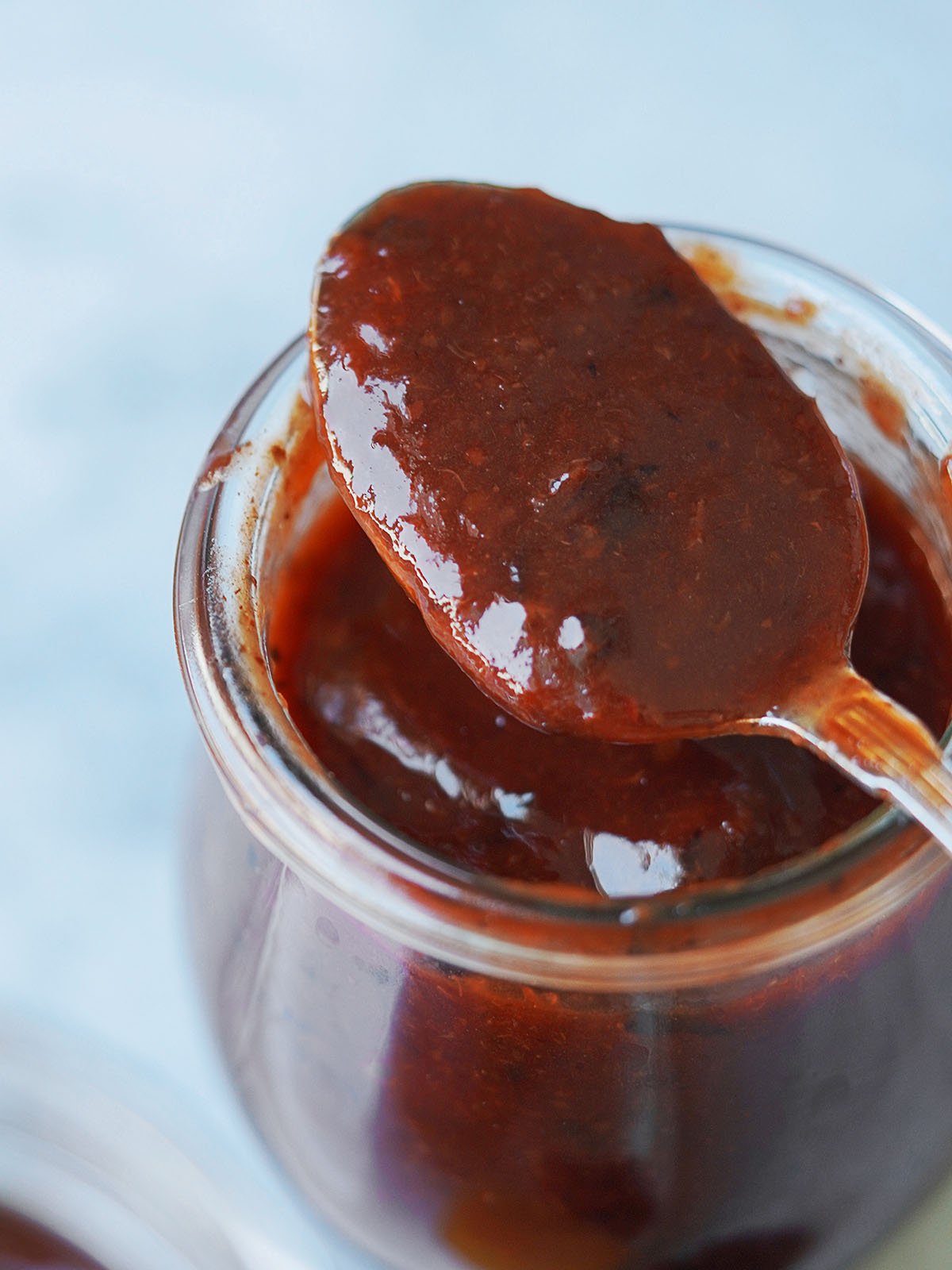
Beyond Modern Recipes: The Umeboshi Secret to Authentic Chamoy
For those who love a vibrant burst of flavor, chamoy needs no introduction. This beloved Mexican condiment is a masterful symphony of sweet, tangy, spicy, and salty notes, capable of transforming everything from fresh fruit to savory snacks into an unforgettable culinary experience. Its allure is undeniable, but what if we told you there’s a secret ingredient that elevates homemade chamoy from simply delicious to truly authentic, reconnecting it with its rich, historical roots? While many modern recipes offer fantastic ways on how to make chamoy, a traditional ingredient often gets overlooked: umeboshi. Prepare to unlock a deeper, more nuanced flavor profile as we dive into the fascinating world of authentic chamoy.What is Chamoy, and Why is it So Addictive?
At its heart, chamoy is a magical elixir that tantalizes every taste bud. Imagine a sauce that delivers a concentrated sweetness, a pucker-inducing tang, a gentle warmth from chilies, and a savory underpinning – all in one bite. This complex profile is what makes chamoy an instant addiction for many. Traditionally, this versatile sauce is crafted from a base of dried fruits like apricots, prunes, and sometimes mango, enriched with dried hibiscus flowers (known as Jamaica), a medley of chilies for heat, zesty lime juice, a touch of sugar, and a pinch of salt. These ingredients are simmered, then blended into a smooth, pourable consistency, ready to be drizzled, dipped, or devoured. The magic of chamoy lies in its incredible versatility. It’s a revelation when poured over fresh fruit such as mango, pineapple, watermelon, or jicama, creating a refreshingly sweet and spicy snack. It brightens up humble cucumber slices, elevates a simple bag of chips, and adds an undeniable kick to cocktails like micheladas and margaritas, or the famous mangonada. Once you experience its "flavor explosion," you’ll understand why so many find themselves asking, "what else can I put chamoy on?" It’s more than a condiment; it's a culinary philosophy that champions bold, balanced flavors.The Authentic Edge: Unlocking Chamoy's Roots with Umeboshi
While contemporary recipes for homemade chamoy are fantastic and convenient, many have strayed from one of the foundational ingredients that gave chamoy its very name and original character. The name "chamoy" itself is believed to be derived from *xí muôi* or *see mui*, a salted, dried fruit product of Chinese origin. These salted plums were a precursor to the Mexican condiment, and their unique fermented, salty-sour profile was integral to the original taste. This is where umeboshi comes into play. Umeboshi are Japanese salted, pickled plums (though botanically more closely related to apricots). They offer a powerful combination of intense sourness, deep salinity, and a subtle fruitiness that can't be replicated solely by lime juice and hibiscus. By incorporating umeboshi into your chamoy recipe, you're not just adding another ingredient; you're paying homage to the sauce's ancestral origins and infusing it with an unparalleled depth of authentic flavor. The addition of umeboshi provides a multi-layered tartness that’s distinct from fresh lime and hibiscus. It brings a profound umami quality and a slow-building salinity that rounds out the sweetness and intensifies the spice in a way that truly transforms your chamoy. This "secret ingredient" doesn’t overpower the other flavors but rather acts as a sophisticated bass note, grounding the entire composition and making your chamoy sauce recipe undeniably more complex and satisfying. Finding umeboshi is usually quite easy in Asian markets or the international aisle of larger supermarkets; look for them whole or as a paste.How to Make Chamoy the Authentic Umeboshi Way: A Step-by-Step Guide
Ready to elevate your chamoy game? Here's how to make chamoy with that authentic umeboshi twist. This process is surprisingly straightforward, proving that genuine flavor doesn't have to be complicated.Ingredients You'll Need:
- 1 cup dried apricots (or a mix of apricots and dried mango for a different nuanced flavor)
- ½ cup prunes (pitted dried plums for rich sweetness)
- ¼ cup dried hibiscus flowers (Jamaica)
- 1-2 pieces of umeboshi (or 1-2 teaspoons of umeboshi paste for convenience and consistent flavor)
- 2-4 dried chilies (such as Arbol or Guajillo, stems removed, or 1-2 tbsp chili powder for less heat, plus extra Tajín to taste)
- ½ cup granulated sugar (adjust to your preferred sweetness)
- 1 cup water (or more, depending on desired consistency)
- ¼ cup fresh lime juice (from 2-3 limes)
- ½ teaspoon salt (or to taste)
- Optional: Additional Tajín seasoning for an extra zesty, salty, chili kick
Step-by-Step Instructions:
- Combine & Simmer: In a medium saucepan, combine the dried apricots, prunes, dried hibiscus flowers, umeboshi (or paste), dried chilies (if using whole), water, and granulated sugar. Bring the mixture to a boil over medium-high heat.
- Reduce & Soften: Once boiling, reduce the heat to low, cover, and let it simmer gently for 15-20 minutes. The goal is for the dried fruits and hibiscus to soften significantly and become plump, allowing their flavors to meld beautifully.
- Cool Down: Remove the saucepan from the heat and let the mixture cool for 10-15 minutes. This step is important for safety when blending and allows the flavors to continue developing.
- Blend to Perfection: Carefully transfer the cooled mixture to a high-speed blender. Blend until you achieve a wonderfully smooth consistency. At this point, the chamoy will be thick and vibrant. There's no need to strain, as the natural pulp adds fantastic body and texture, enhancing the mouthfeel of your authentic chamoy.
- Final Flavor Adjustments: Add the fresh lime juice, salt, and any additional chili powder or Tajín you desire to the blender. Blend again briefly to incorporate these last ingredients evenly. Taste and adjust any element – more sugar for sweetness, more lime for tang, more salt to balance, or more chili for heat.
- Store & Enjoy: Pour your freshly made chamoy into an airtight glass container. It will thicken slightly as it cools further in the refrigerator. Store in the fridge for up to 2-3 weeks.
Pro Tip: If you prefer a thinner chamoy, add a tablespoon of water at a time while blending until your desired consistency is reached. For an extra kick, toast your dried chilies in a dry pan for a minute or two before simmering to deepen their smoky flavor.
